PEABODY ESSEX MUSEUM
A poppy opens, its petals separate, and a statistic becomes someone’s friend, child, or parent. I storyboarded, animated, and edited the film from the museum’s narrative, with style boards developed with a visual designer.
THE RESULT
CONNECTING A HISTORICAL TRADE
WITH A PRESENT-DAY CRISIS
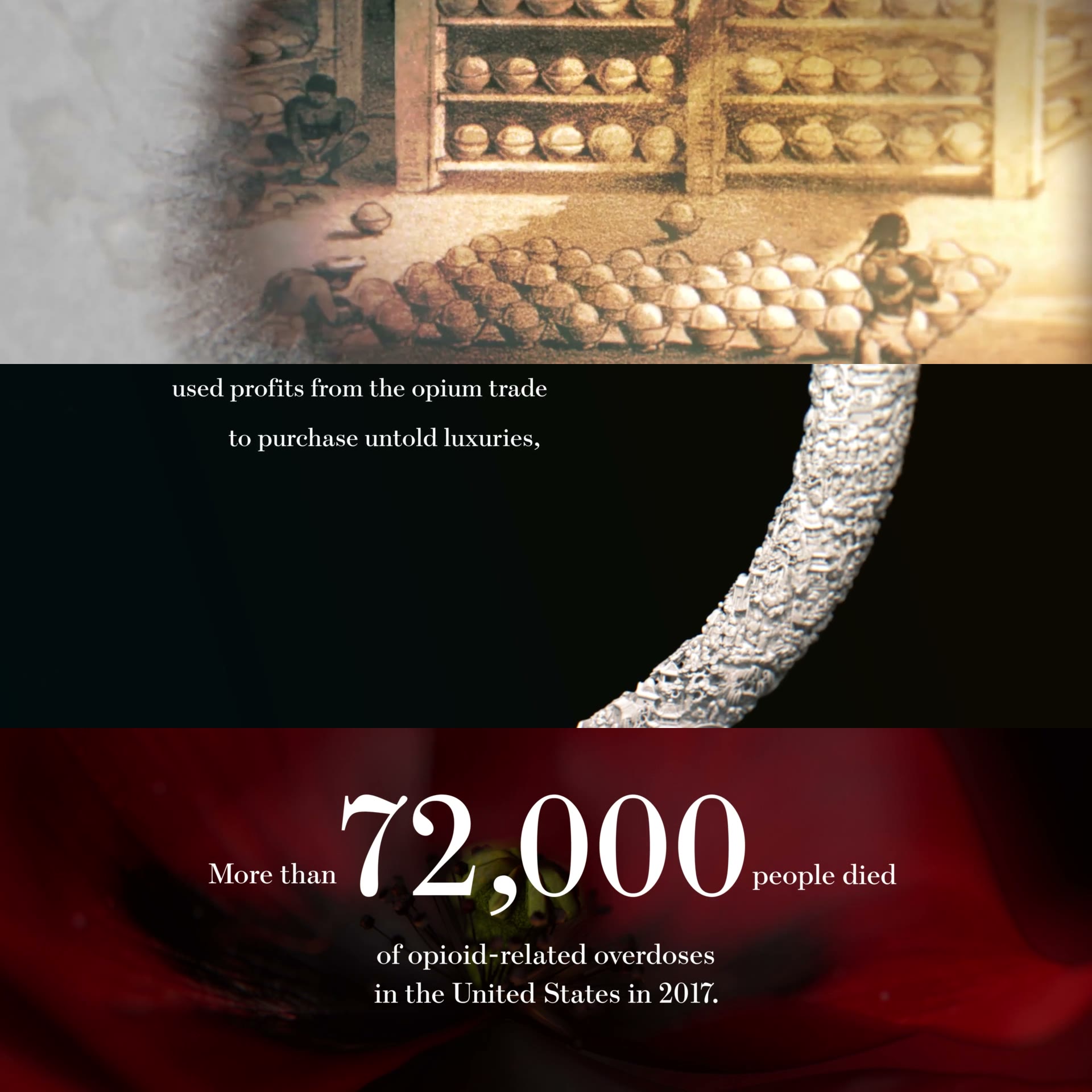
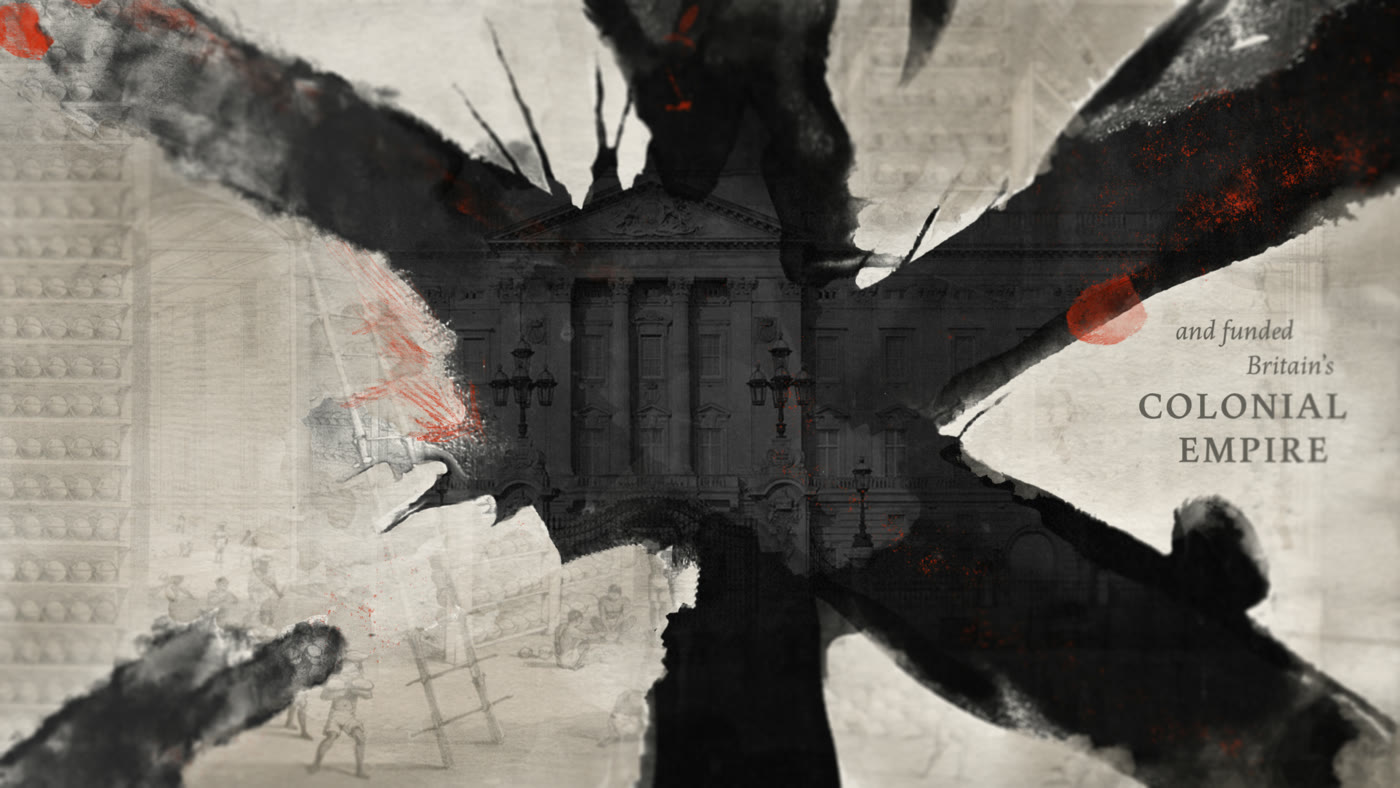
Every 8 Minutes links three layers of material: the Opium War, objects and images from the museum’s collection, and the contemporary opioid crisis in the United States.
The museum had already established the main text and narrative order. The challenge for the film was visual: how could those words move through different periods and kinds of evidence without becoming a dense history lesson, or reducing present-day loss to an abstract statistic?
EVERY 8 MINUTES
A poppy, archival ships, and collection images connect the Opium War to the U.S. opioid crisis.
DEVELOPING THE PRODUCTION STORYBOARD
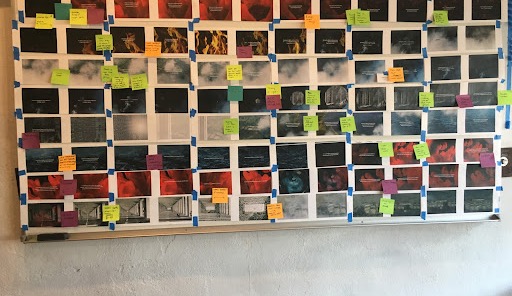
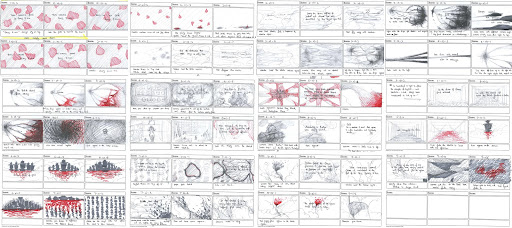
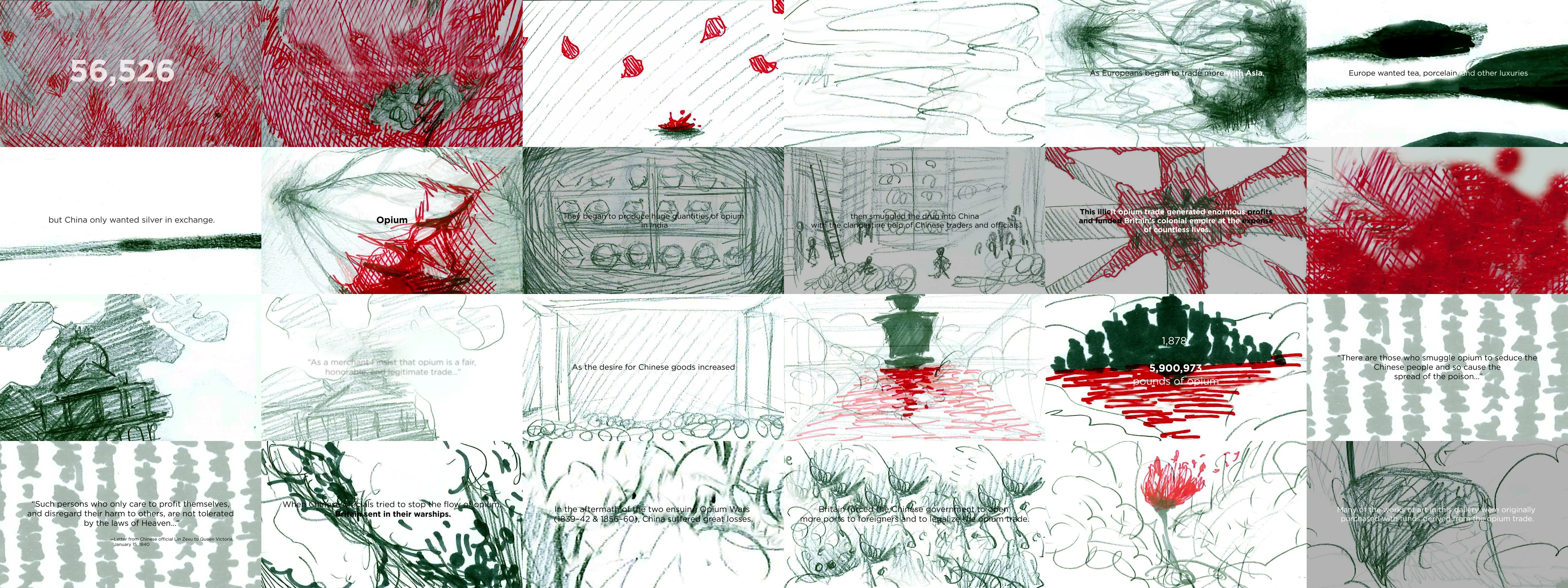
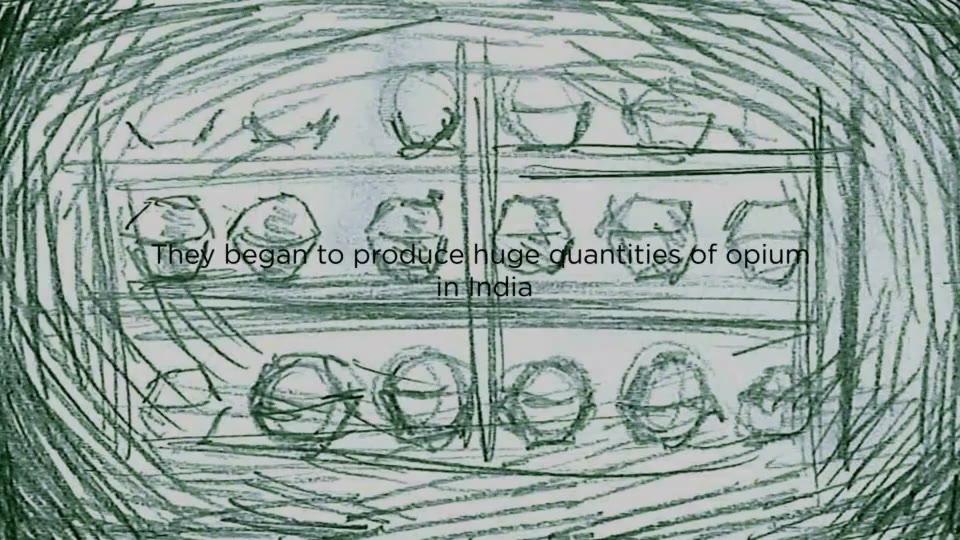
I divided the text into visual beats, paired each passage with imagery, and planned the composition, transitions, and movement before full animation began.
The project began with a client workshop, where we walked through the museum’s early storyboard and discussed references for tone, imagery, and visual treatment, alongside a styling exercise that showed which directions suited the subject.
From there, and following the team’s visual direction, I created the production storyboard for the entire film.
With the whole sequence on one board, the team could judge how the history, the collection, and the present-day story would connect before committing to finished motion.
OPENING WITH THE PERSON BEHIND THE NUMBER
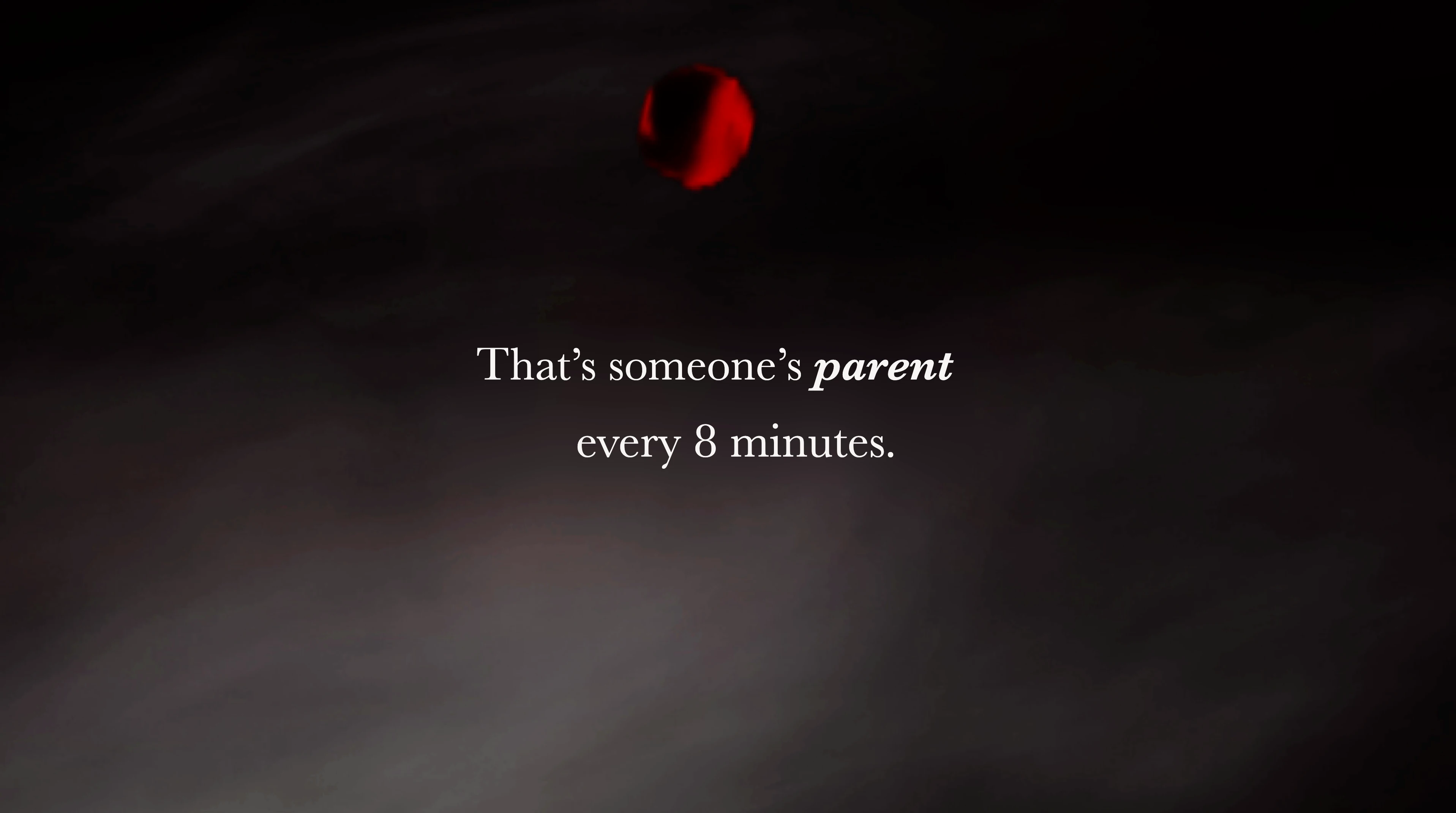
The petals separate as the text turns the statistic into someone’s friend, child, or parent, before the film moves into the longer history.
The film begins with a poppy and a count of opioid-related deaths. As the petals separate, the words shift the focus to the people behind that number.
I used the opening to make that loss personal before introducing the history.
Both our team and the client responded well, and the opening became one of the strongest moments in the film.
CARRYING THE VISUAL LANGUAGE INTO MOTION
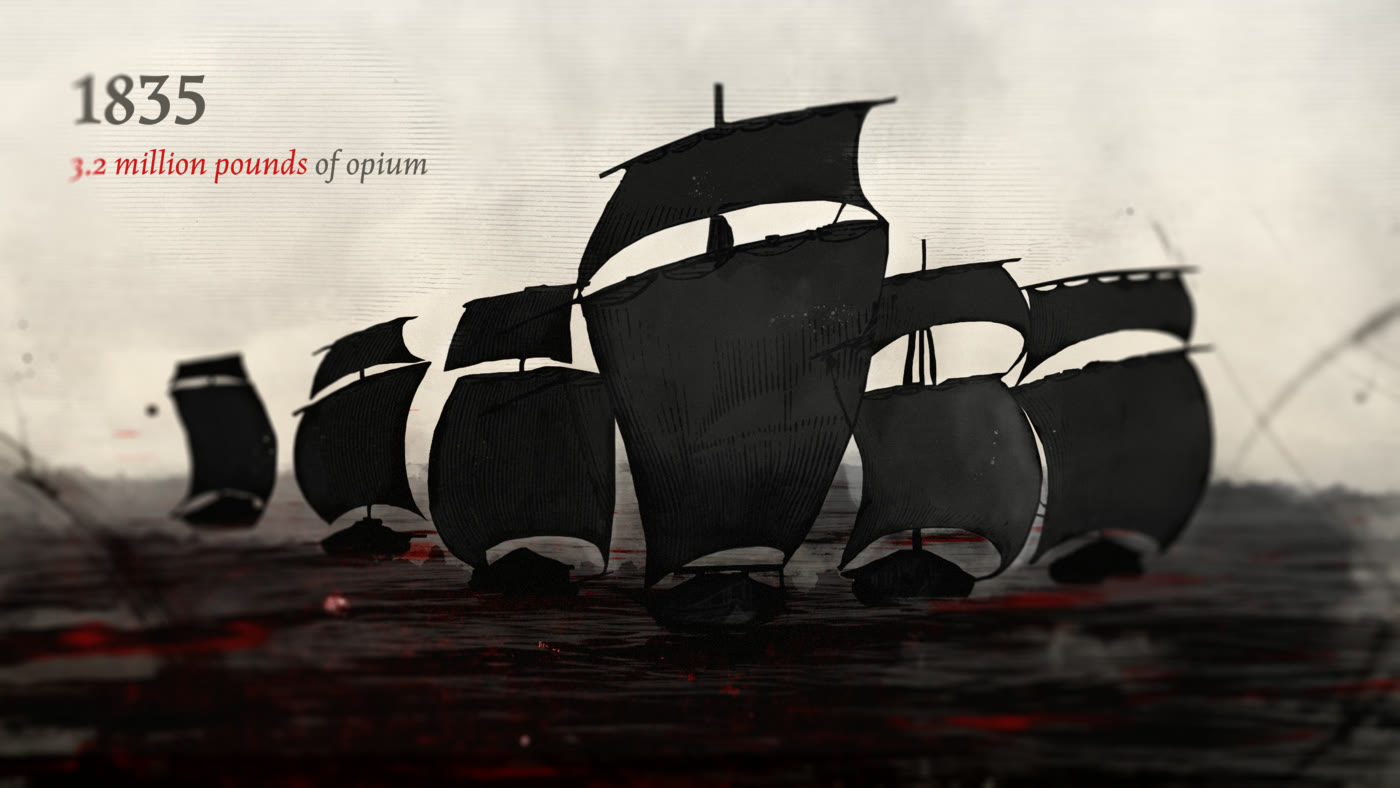
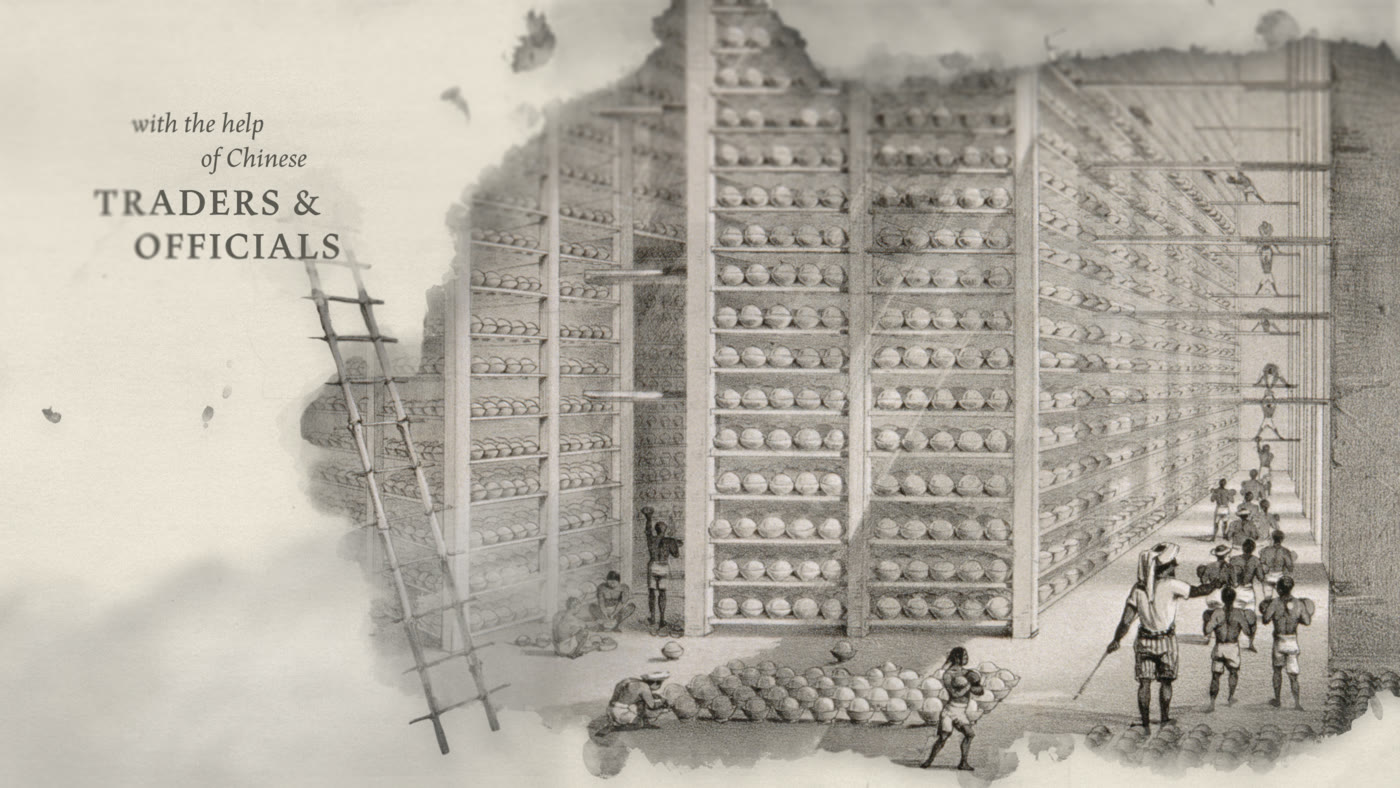
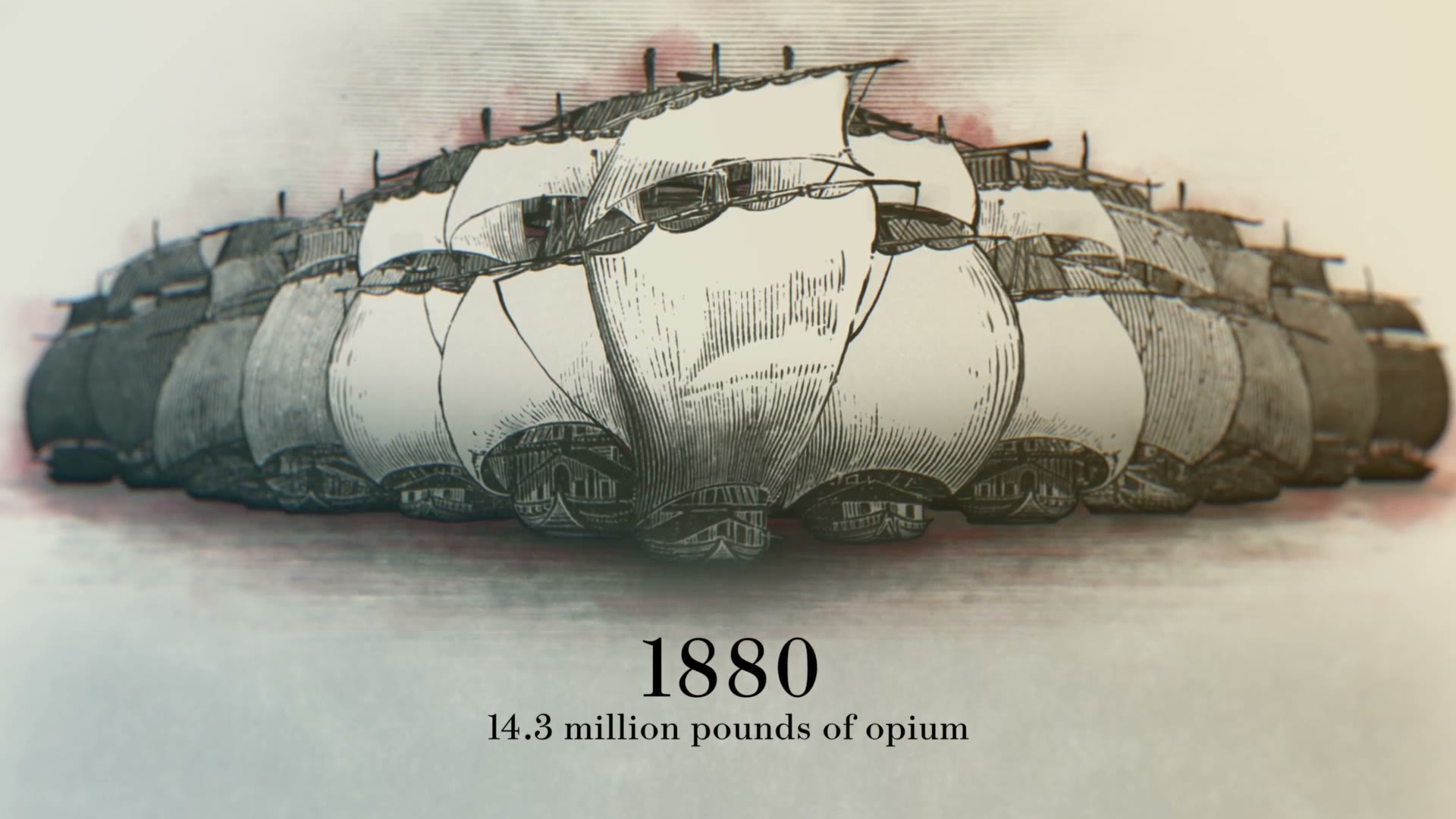
Rather than adding more explanatory content, the animation used scale, masking, texture, and transitions to create continuity between images from different periods.
The style boards, developed with a visual designer, set the visual foundation. I translated that direction into a continuous motion system using archival imagery, typography, layered texture, ink-like movement, and a restrained red palette.
Several motion studies tested how the material could shift between still historical sources and more atmospheric movement.
ESTABLISHING TIMING BEFORE ADDING FINISH
Moving from storyboard to animatic, rough cut, and final animation kept the editorial decisions visible throughout production, instead of treating animation as a finish added at the end.
I developed the storyboard into an animatic to establish the film’s basic timing, layout, and movement. This let me evaluate the full sequence as an edit before investing in detailed effects.
The rough cut then locked the content and overall design approach. In the final pass, I refined transitions, image treatment, compositing, and pacing, adding depth without losing the structure established in the animatic.
A PERSONAL CONNECTION TO THE MATERIAL
As a Chinese designer who grew up with the Opium War as part of my historical memory, I did not experience the subject as a distant reference.
So how I treated the material mattered to me personally.
I carried the film from production storyboard through animatic, animation, and final edit, and it was delivered to the Peabody Essex Museum.
I focused on how the museum’s words, collection imagery, and account of contemporary loss would meet on screen, then carried those connections through the animation and final edit.