SHADOW EXPRESSION
An effect that lets you express emotion without showing your face.
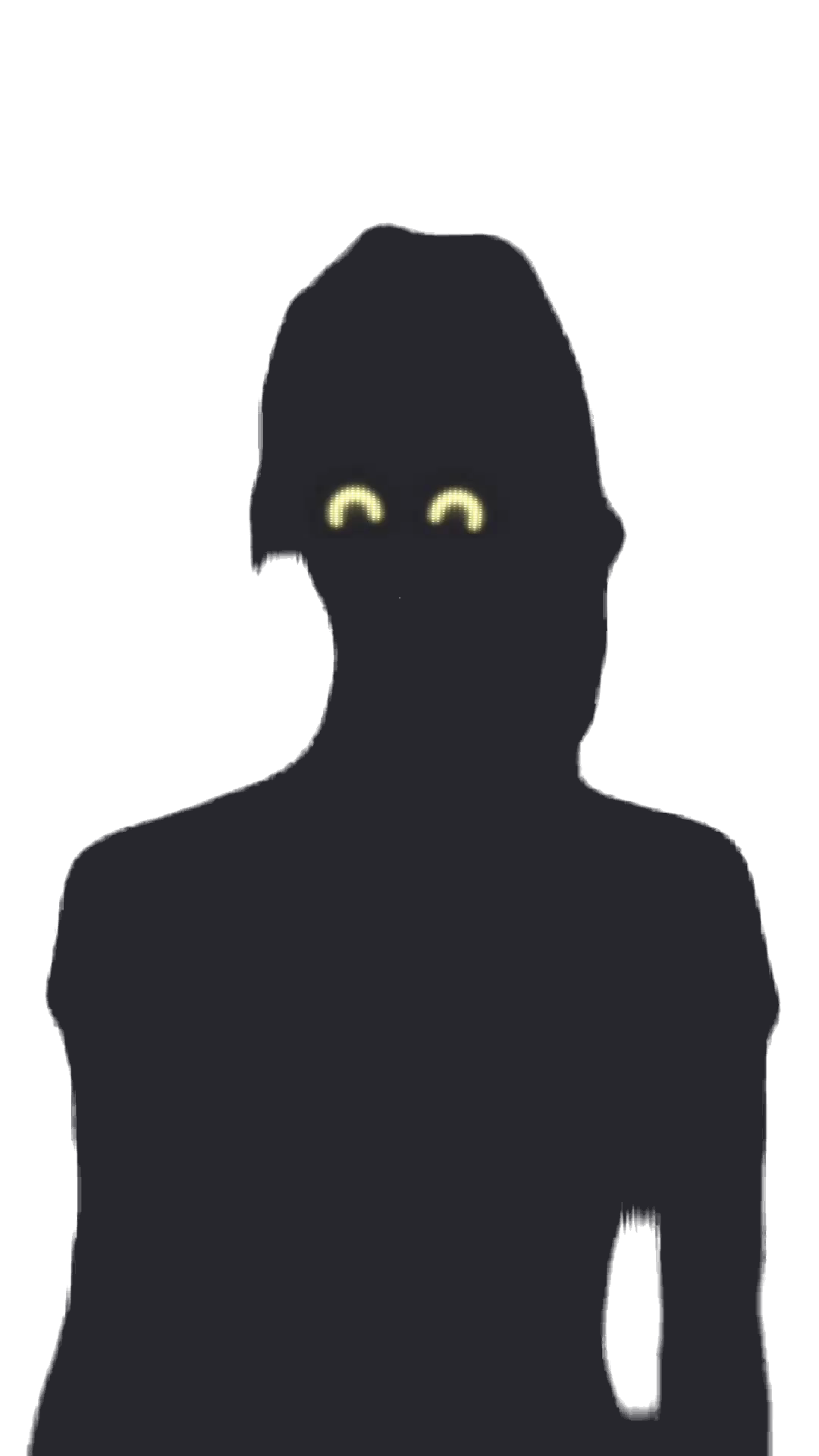
A silhouette hides the face while digital eyes and a mouth carry the expression.
This was my first self-initiated effect. I led the concept, visual system, expression logic and launch checks.
- PROBLEM
- People needed a way to express emotion without showing their faces.
- MY DECISION
- I kept expressions that were readable at phone size and reliable in detection.
- SHIPPED
- I launched the silhouette effect with four expressions and my own video.
- EVIDENCE
- 3M+ posts worldwide as of March 21, 2026.
THE numbers
I tested nine expressions and shipped four. Users turned the effect into a “resting face” trend.
Posts worldwide tied to the effect and the trend users made of it.
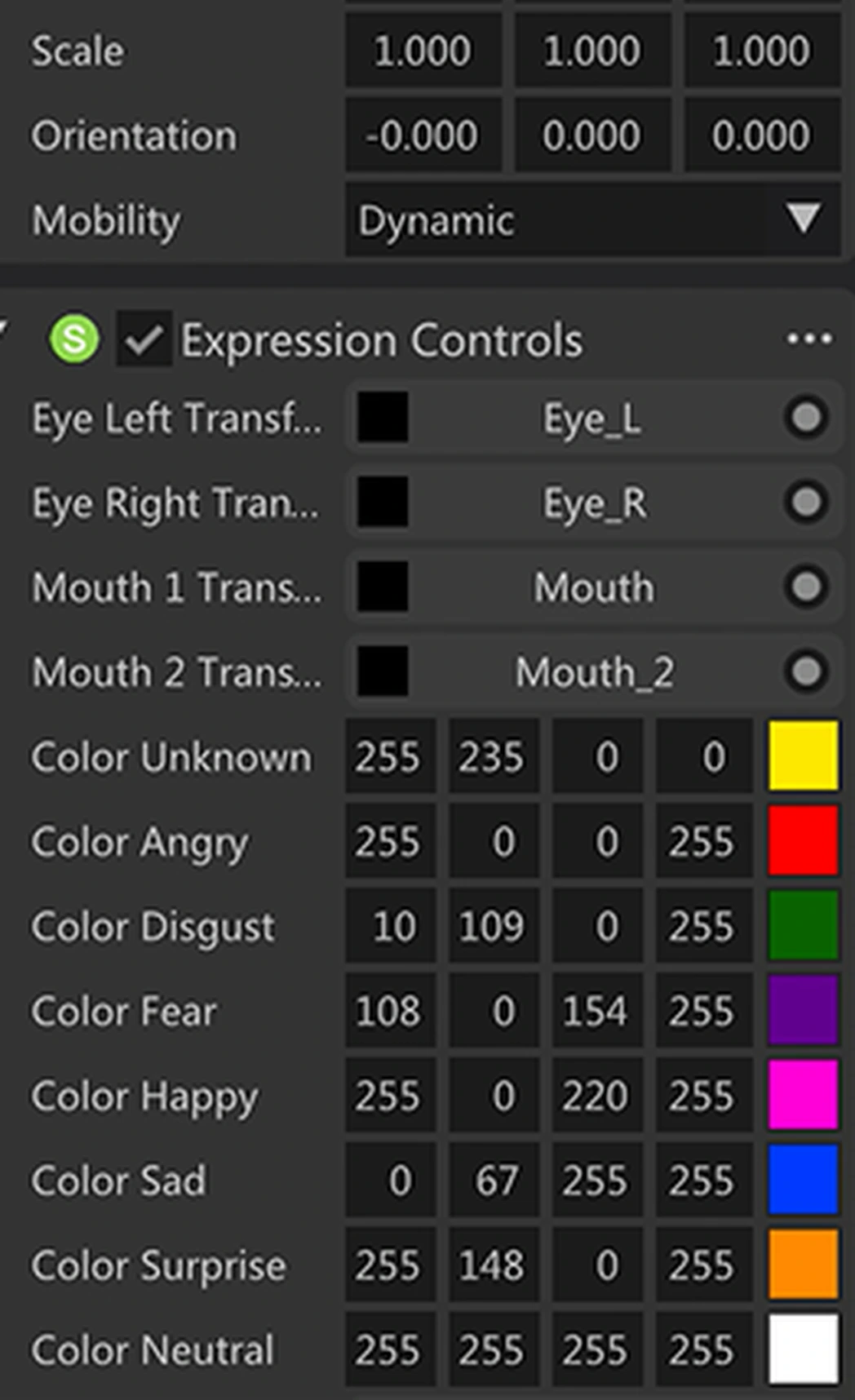
Expression states built and tested in detection before the cut.

The emotions that held up in detection and went live: happy, angry, sad and neutral.
Posts as shown on the effect's TikTok page, as of March 21, 2026. Expressions counted from the build.
THE RESULT
I launched the effect with my own video. Four of the nine expressions made it in: happy, angry, sad and neutral, each readable as a silhouette at phone size. From there, users carried it.
HOW IT GREW
Users turned it into a “resting face” trend.
Growth was slow at launch. Then I noticed people using the effect for a “resting face.”
I checked the publish curve and asked to move the effect back up in the trending tab after noticing the “resting face” trend.
The second wave took it from 1.1M to 3M posts.

Growth was slow, then users started using it for a “resting face.”
Move it back up in the trending tab.
Global posts as shown on the effect page; 3M as of March 21, 2026.
WHY IT WORKED
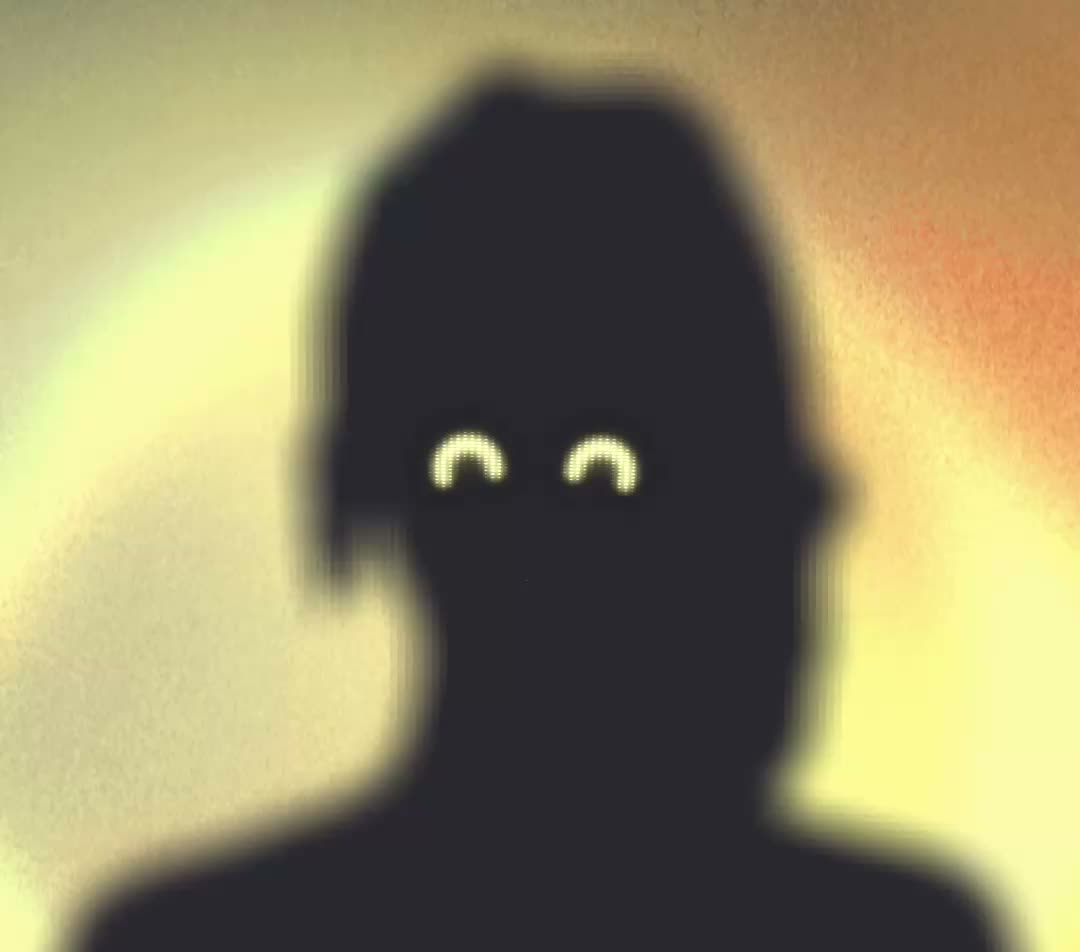
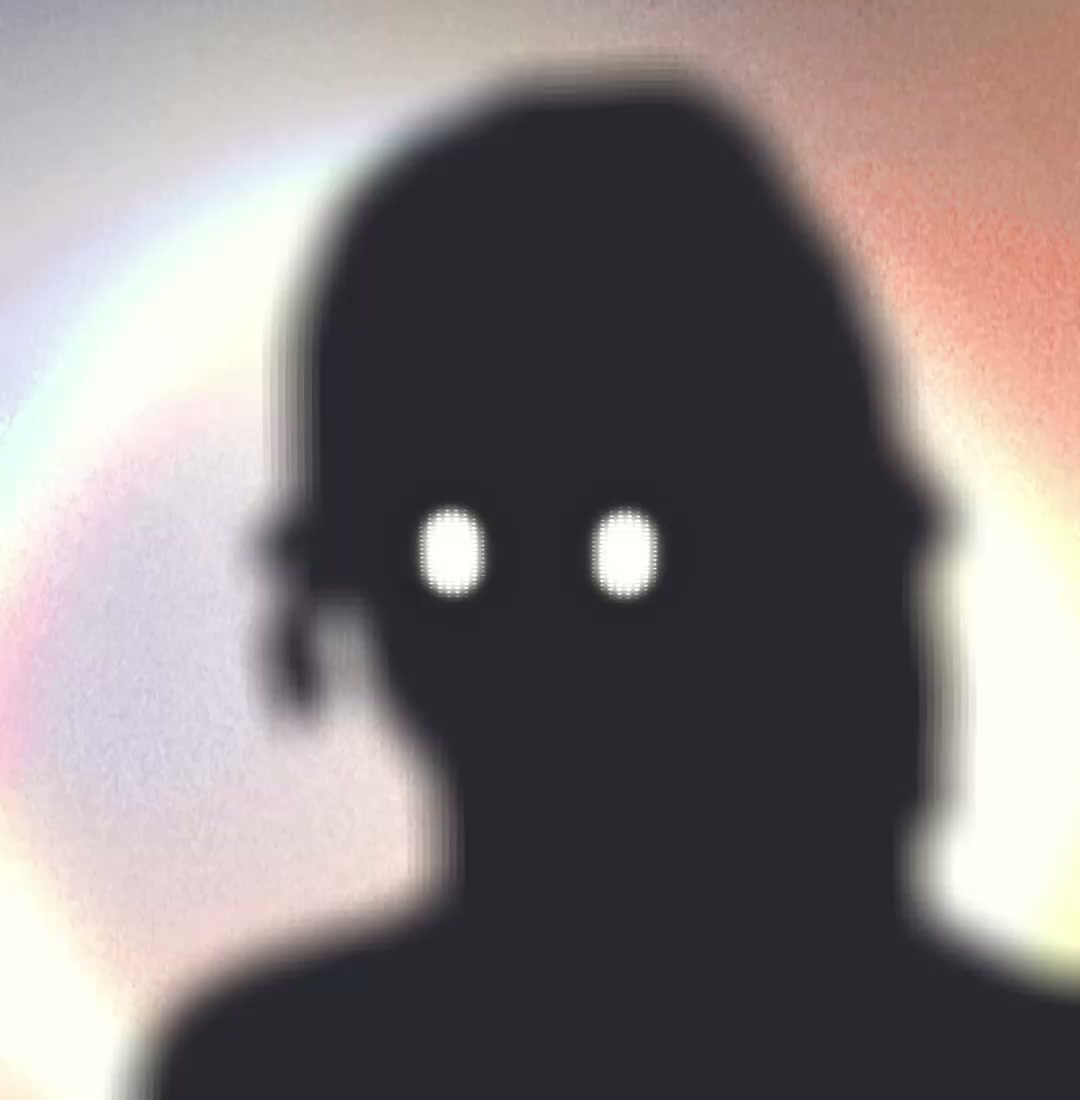
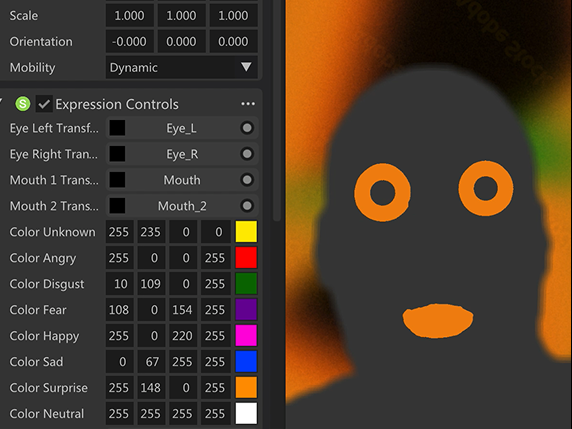
The effect turns the face into a silhouette, then uses digital eyes and a mouth to carry emotion, so the person can still be seen without being fully seen.
Some people want to speak or document something without showing their face. Others want to start filming themselves, but feel shy in front of the camera.
I wanted people to feel comfortable expressing themselves on camera while keeping their face out of view.
WHAT I DROVE
Nine expressions became four, then I adjusted the proportions and checked for drift on a moving face.
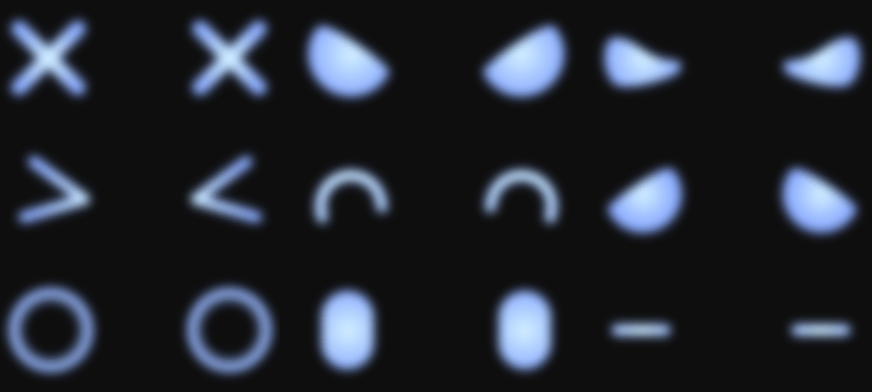
STARTED WITH 9 EXPRESSIONS, SHIPPED 4
I reduced the system to 4 core emotions, keeping only what was reliable in detection and readable at phone size.
I built and tested nine states, but not all of them held up reliably in detection.
REFINED THE PROPORTIONS
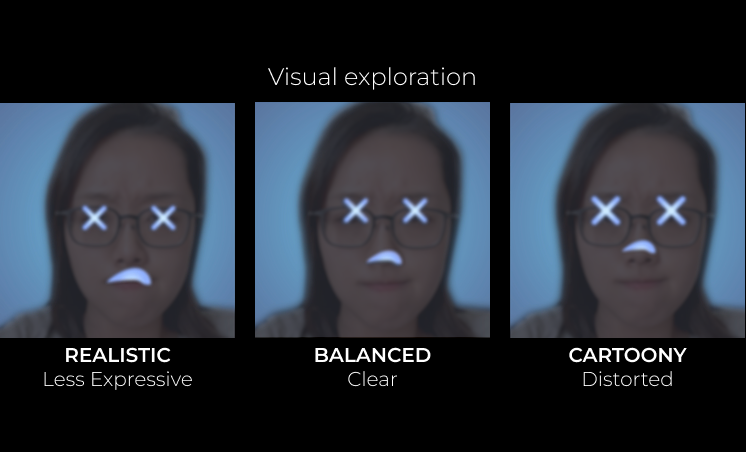
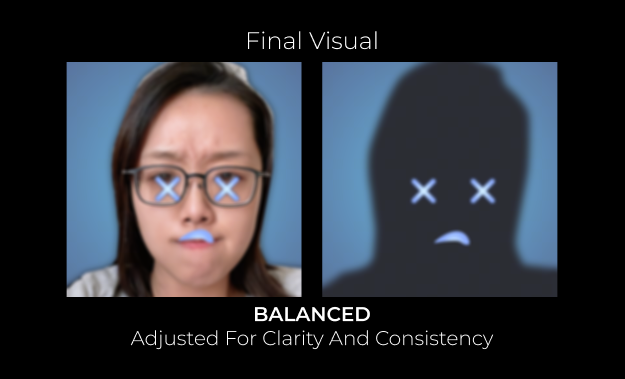
I adjusted the placement and scale to keep expressions clear across views.
The trade-off was style against readability. More stylized versions looked better but were harder to read from different angles, so I kept the balanced one.
KEEPING EXPRESSIONS STABLE IN MOTION
On a moving face the eyes and mouth drifted, so we moved to tracking to keep them stable and consistent in real use.
The first approach looked fine in stills. I caught the drift during device checks.
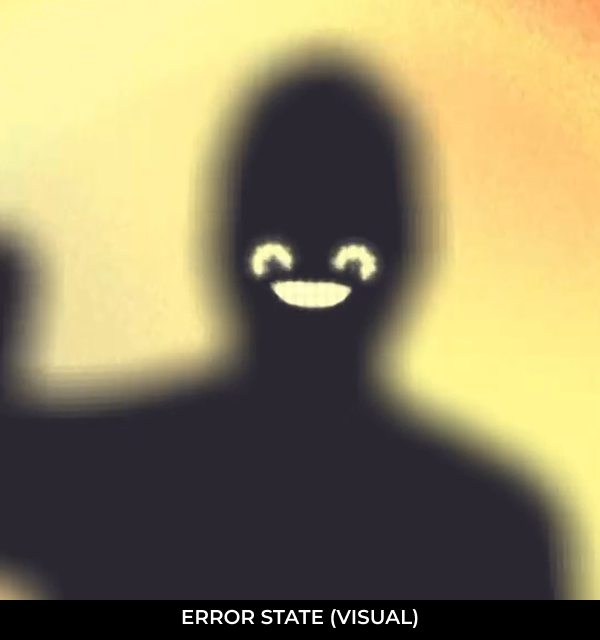
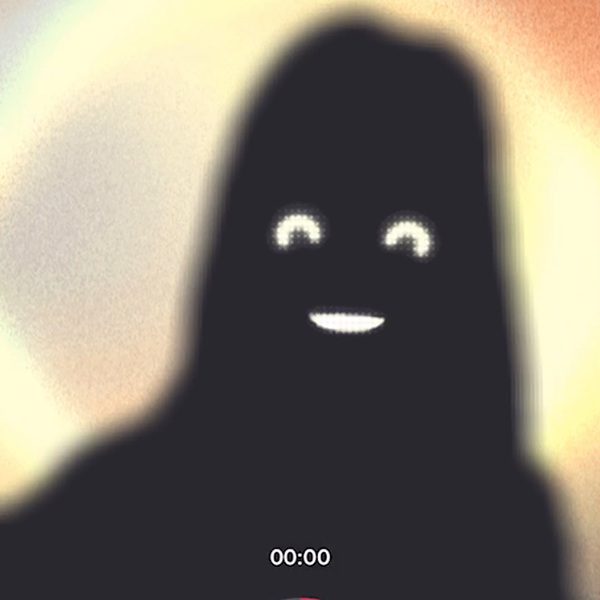
The silhouette hides the face. The eyes and mouth keep the expression visible.